French-Trained
Experience at INSEP and leading orthopedic and sports medicine environments in France.



Why Dr. Anthony Kamel?
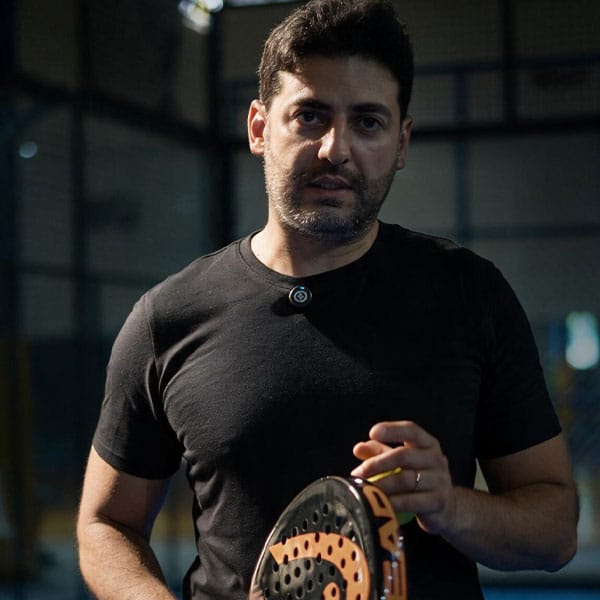
Experience at INSEP and leading orthopedic and sports medicine environments in France.
A Master's degree in Biomechanical Engineering, bringing an additional understanding of movement, forces, and joint mechanics.
Surgery isn't automatically the answer. Treatment is chosen according to the injury, the patient, and their goals.
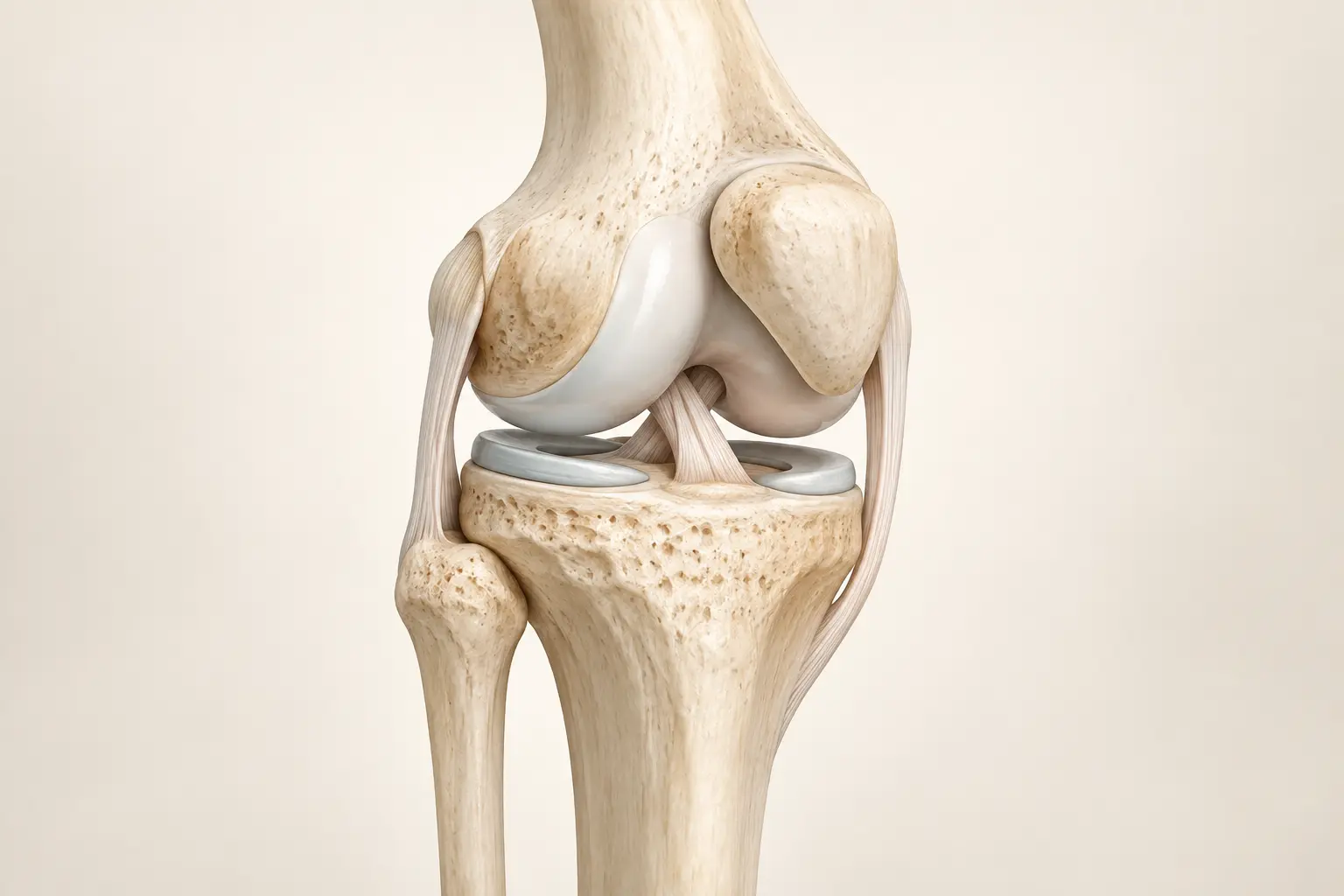
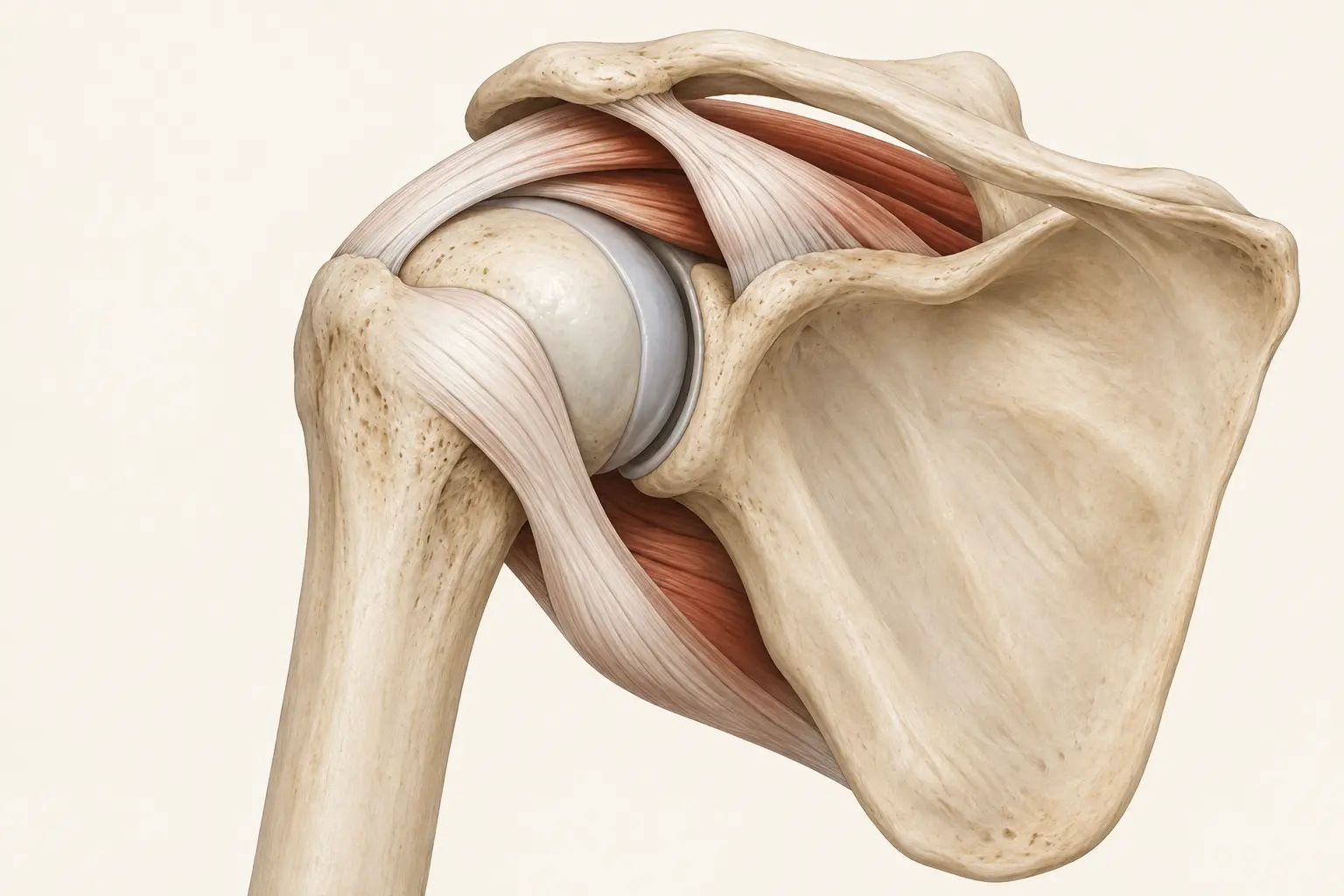
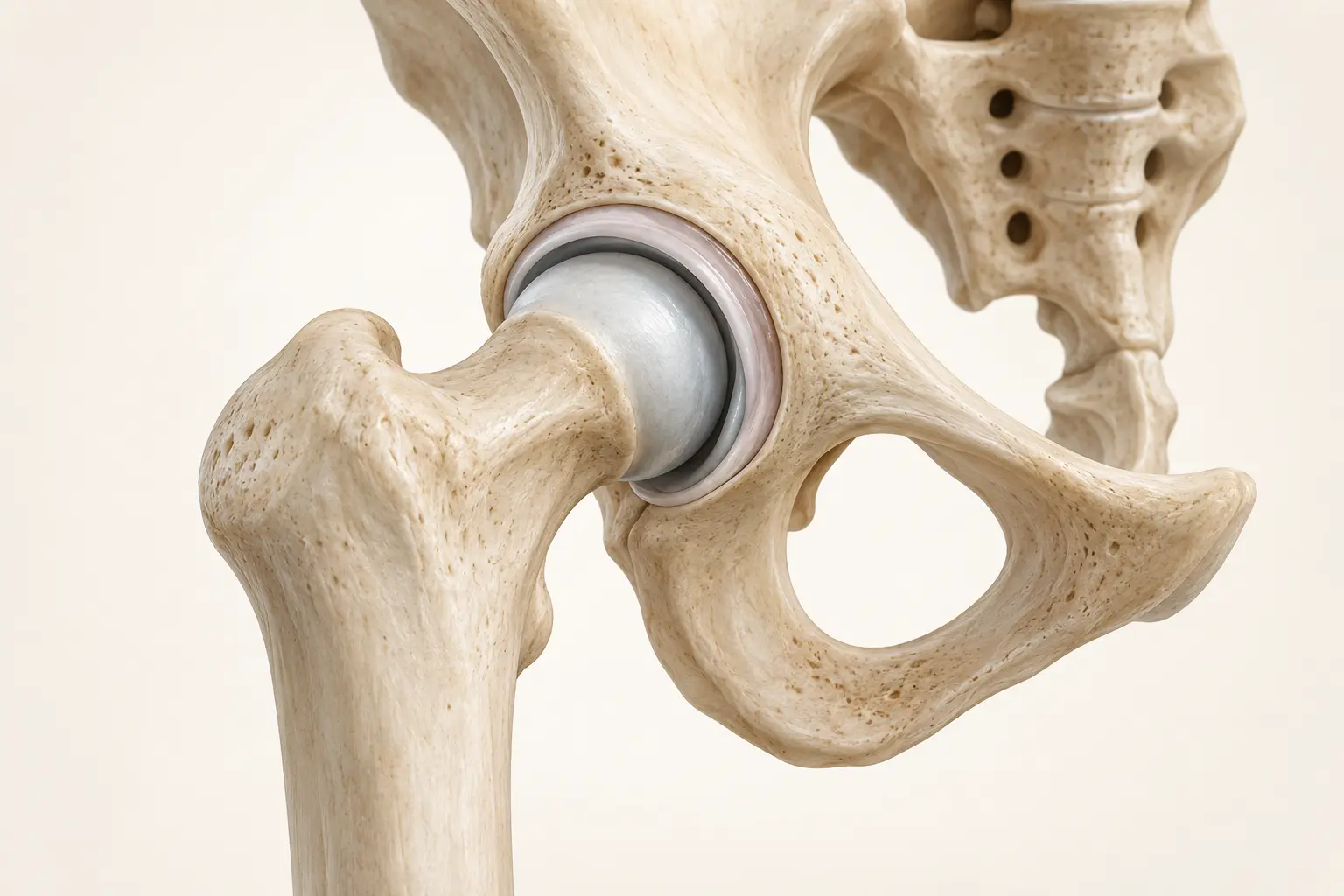
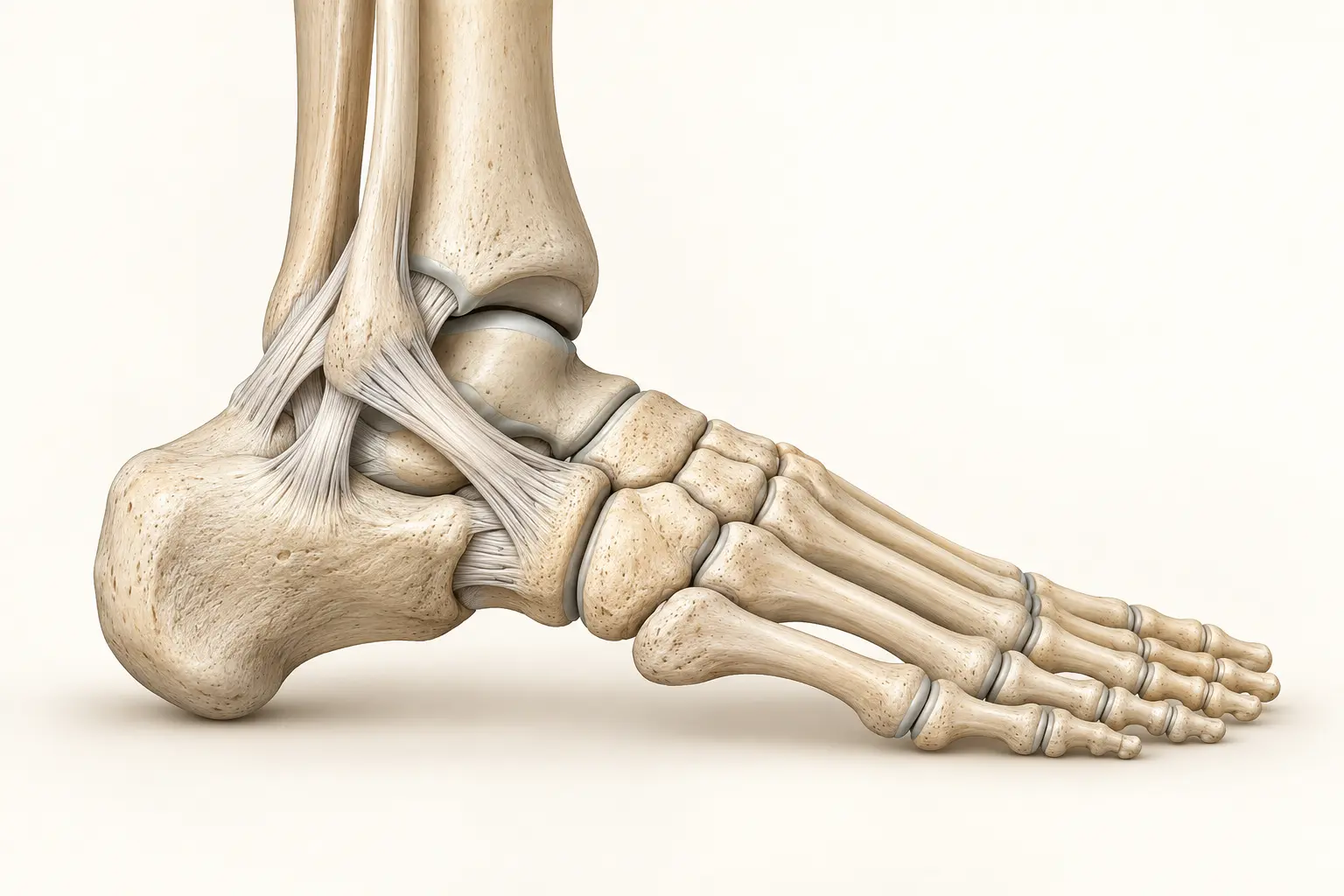
What He Treats
His Approach
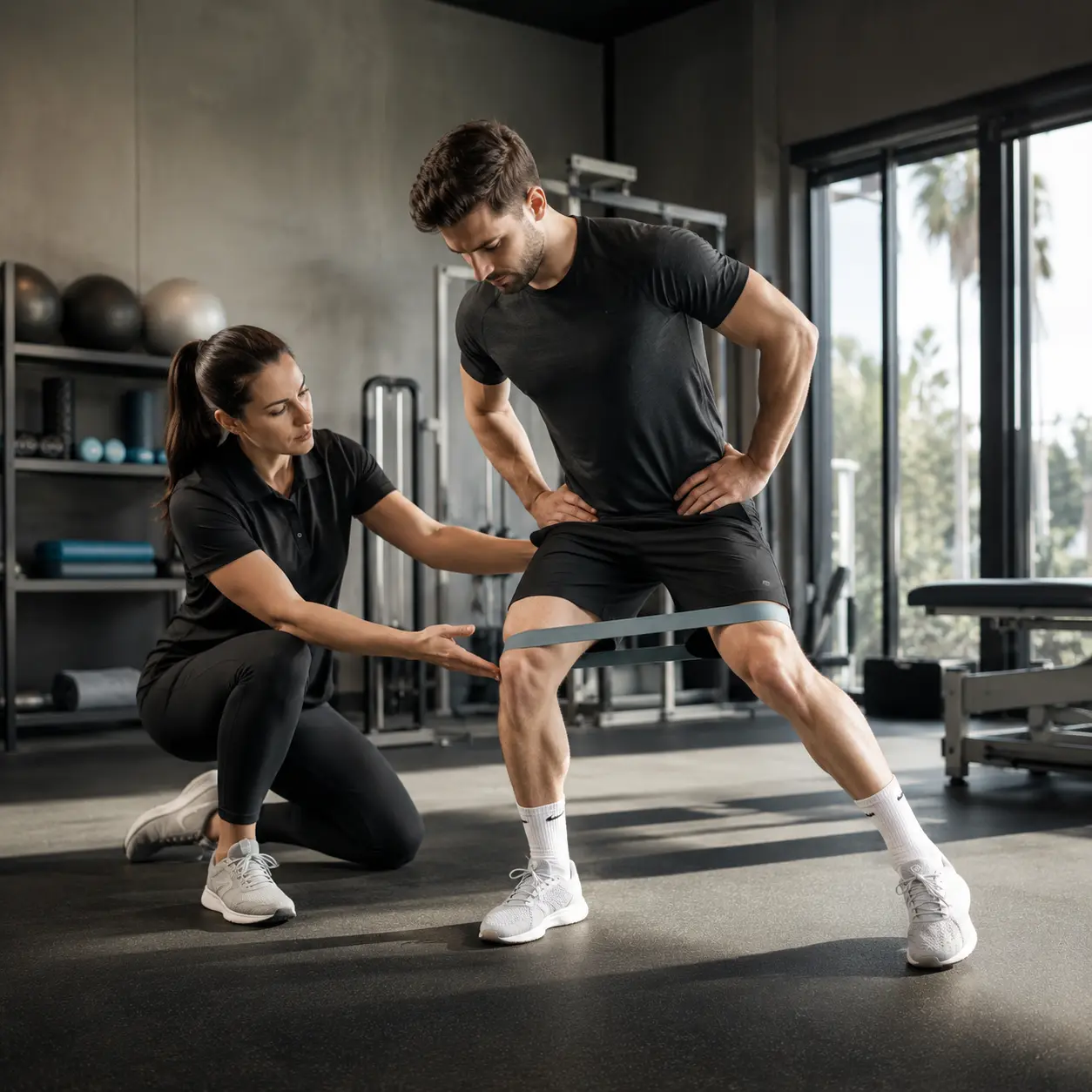
As a sports medicine doctor in Beirut, Dr. Kamel prioritizes conservative treatment whenever it is appropriate to safely restore movement and function.
Explore Sports Medicine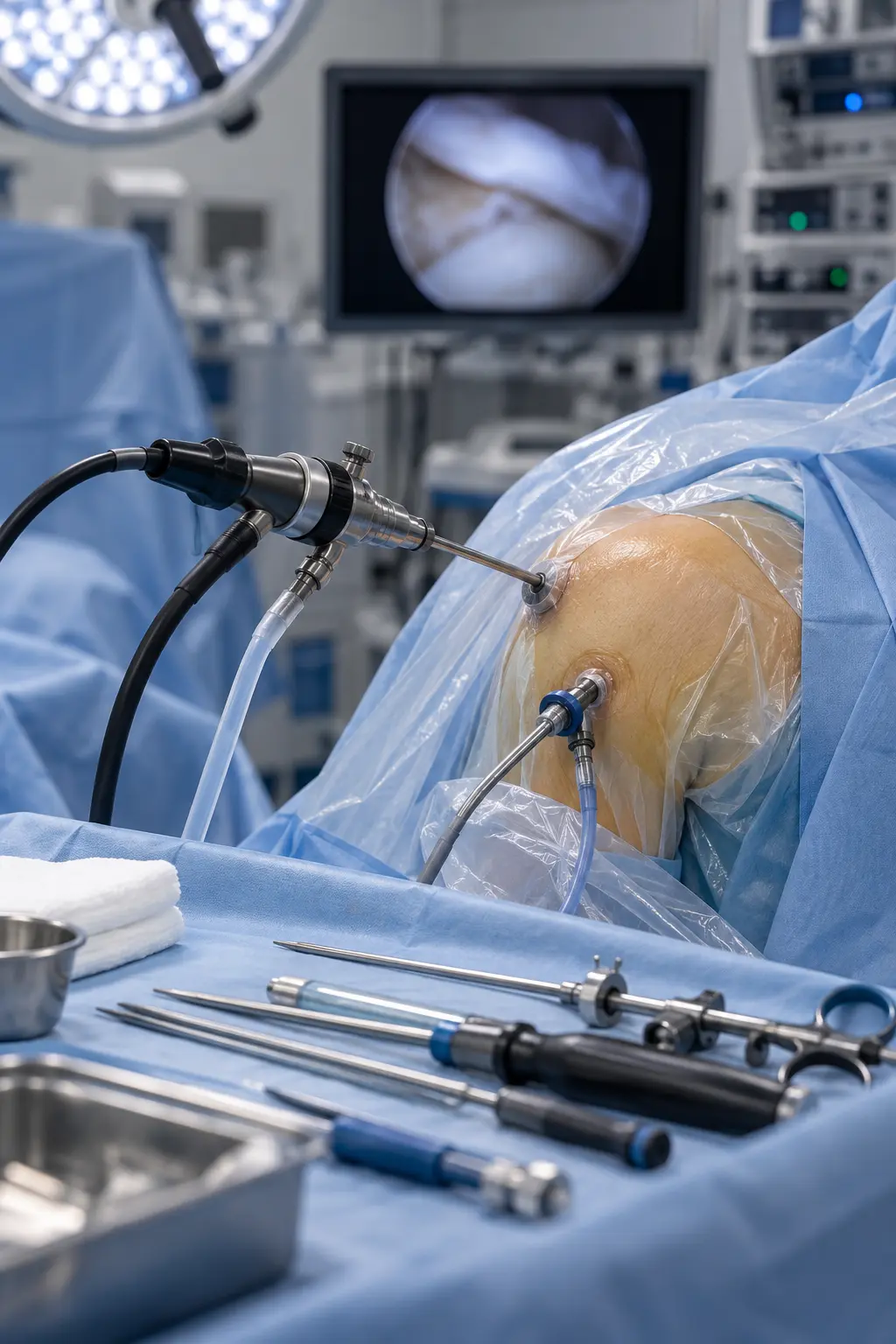
When surgery is necessary, he specializes in arthroscopic and minimally invasive techniques, with treatment tailored to the individual injury and patient.
Explore Sports SurgeryFor Athletes
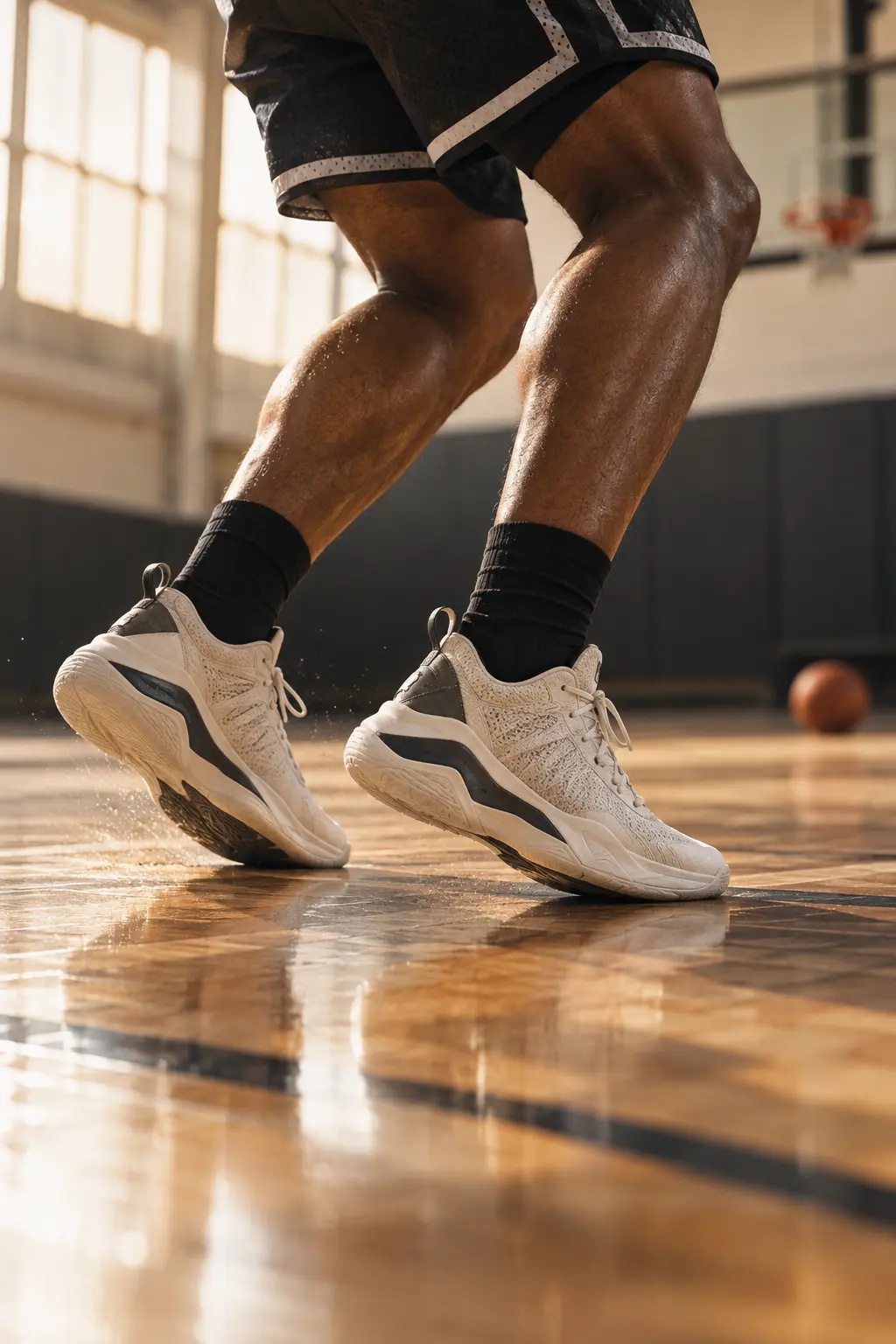
For athletes, recovery isn't simply about becoming pain-free. It's about being ready to perform again.
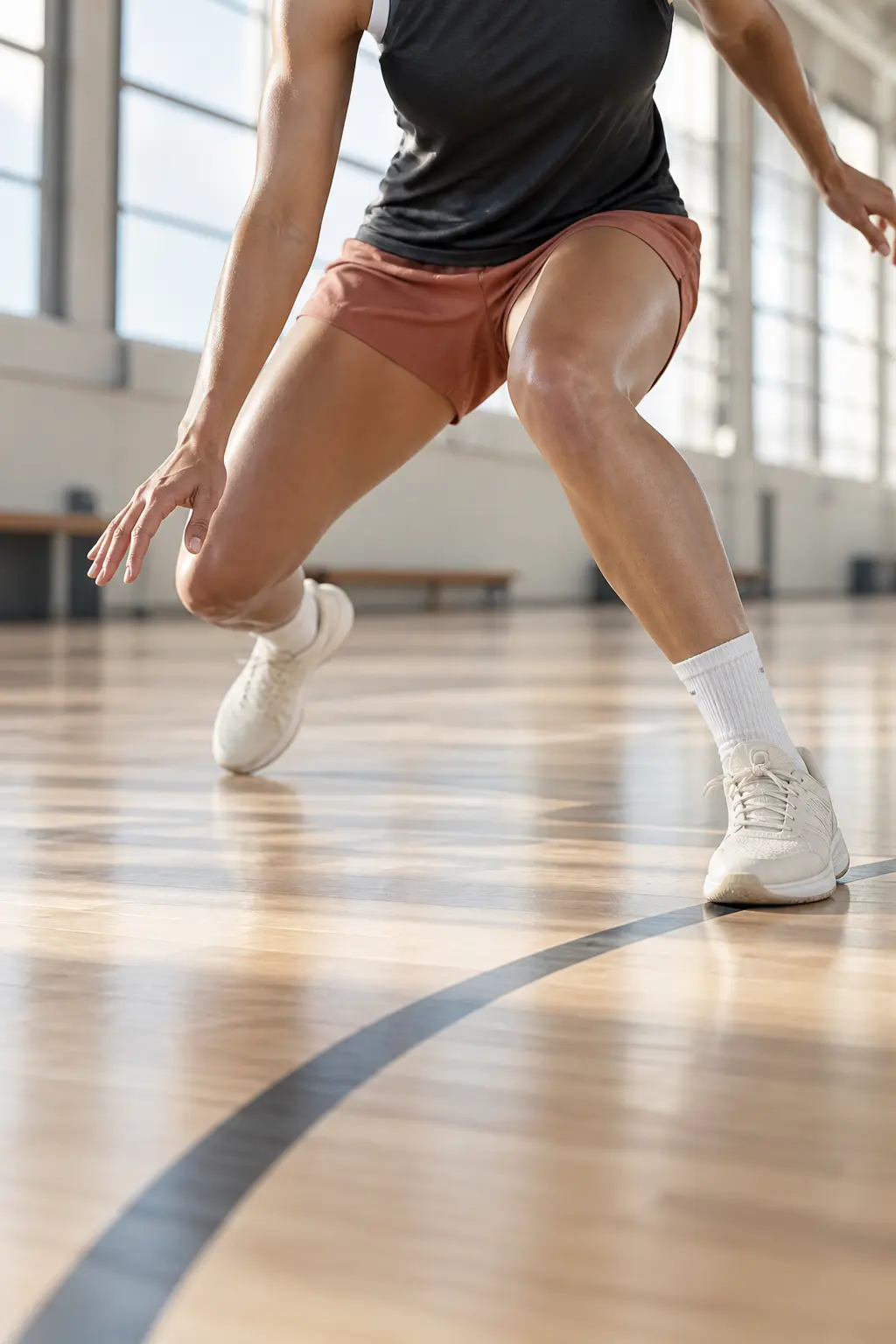
With experience in competitive sports, including Division 1 basketball, Dr. Kamel considers strength, stability, function, sport-specific demands, and reinjury risk when planning a safe return.
Patient-First Care
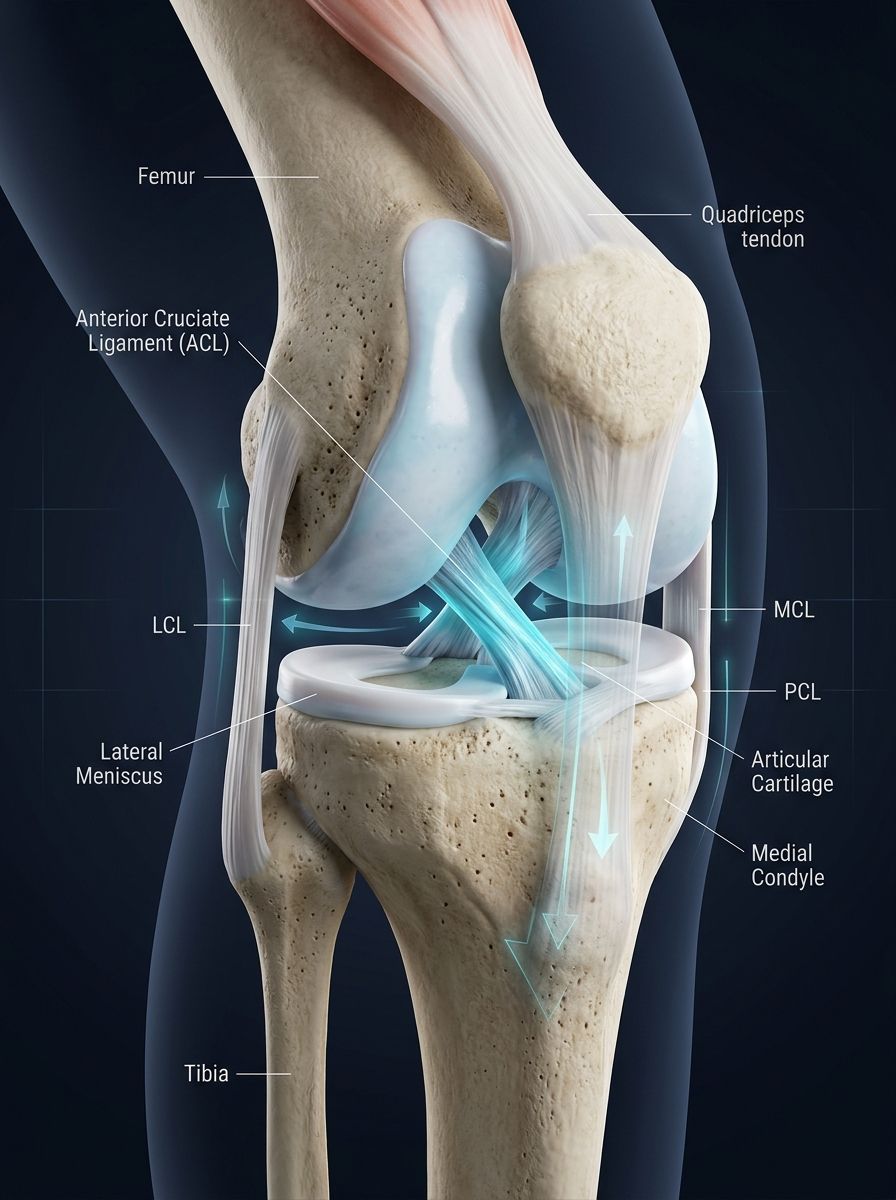
Imaging can reveal an injury, but it doesn't determine treatment on its own.
Dr. Kamel considers your history, symptoms, physical examination, imaging, activity level, and goals to determine the treatment that is appropriate for you.
We treat the patient — not just the scan.
Whether you're dealing with a sports injury, persistent joint pain, a recurring problem, or need a second opinion, start with an assessment and a treatment plan built around your movement and your goals.